
Personal injury claims often involve more than determining how an accident
happened. They can raise important legal questions about negligence,
responsibility, evidence, and the extent of harm suffered by an injured
person. In California, court decisions help explain how these legal principles
are interpreted and applied when disputes reach the judicial system.
Although many personal injury claims are resolved through insurance
negotiations or settlements, court rulings can influence how similar disputes
are evaluated. Understanding the role of judicial decisions provides useful
context for anyone following California legal developments, especially those
involving vehicle accidents, unsafe properties, and other injury-related
incidents.
The Role of Court Decisions in Personal Injury Law
California courts interpret and apply existing laws when resolving disputes.
Their written decisions may clarify legal standards, explain how particular
rules apply to specific circumstances, and address disagreements between
parties.
In personal injury matters, judicial decisions can provide guidance on
questions such as whether a person or organization owed a duty of care,
whether that duty was breached, and whether the alleged conduct contributed to
an injury. The importance of a particular ruling depends on the legal issue
involved, the court that issued it, and the facts of the case.
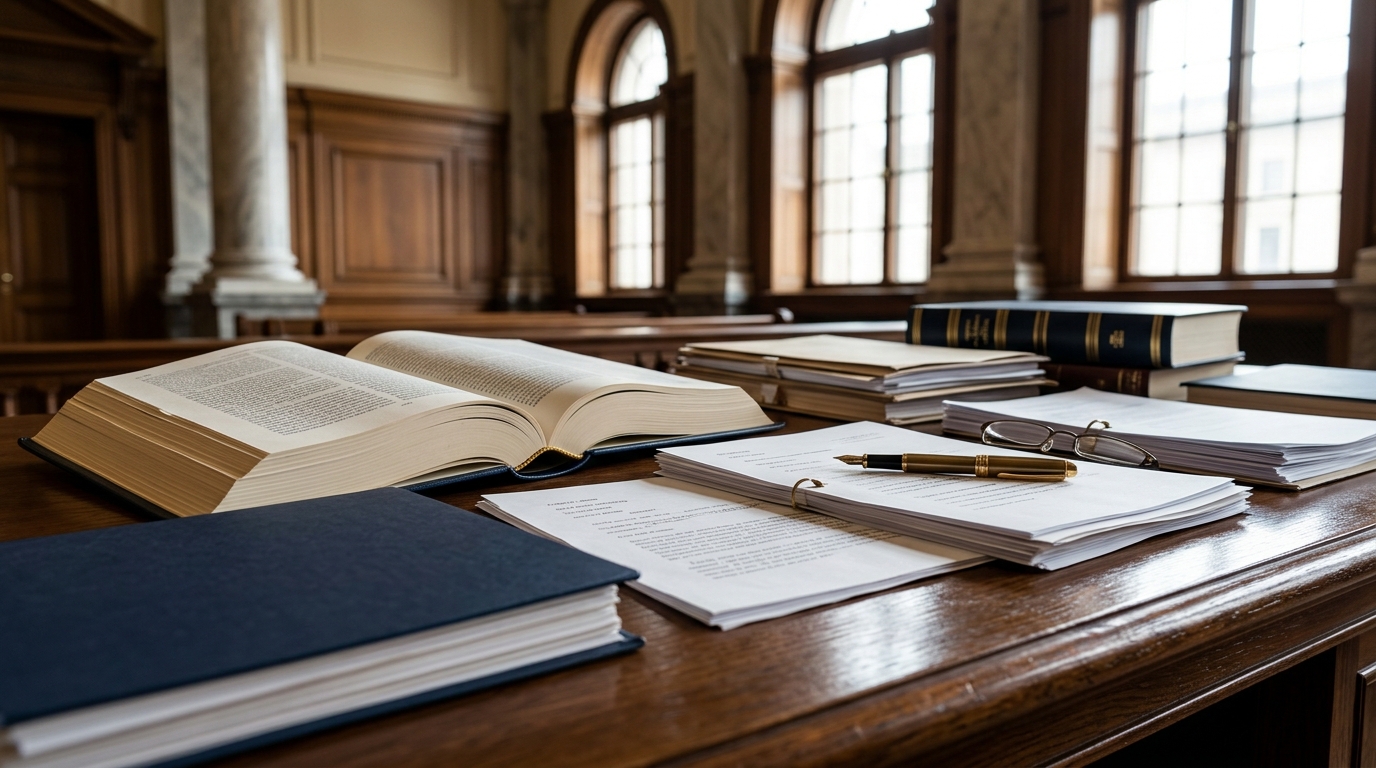
personal injury disputes.
Understanding Negligence and Liability
Negligence is a central issue in many California personal injury claims.
Generally, these disputes examine whether a party failed to exercise
reasonable care and whether that failure caused or contributed to another
person’s injuries.
Depending on the circumstances, a claim may involve a driver, property owner,
business operator, contractor, or another party. Courts may need to evaluate
the conduct of each party, the available evidence, and the connection between
the alleged negligence and the injury.
California also follows a comparative fault system. In appropriate cases,
responsibility may be allocated among multiple parties, including the injured
person. The effect of a person’s share of fault can depend on the facts and
applicable legal rules.
How Court Rulings Affect Evidence and Causation
Evidence is essential in personal injury litigation. Medical records,
photographs, witness statements, accident reports, expert opinions, and other
documentation may help establish what happened and whether an injury was
connected to the incident.
Disputes can arise over whether particular evidence is reliable, relevant, or
legally admissible. Courts may be asked to decide these questions before or
during a trial. Their rulings can affect which information a jury or judge may
consider when evaluating a claim.
Causation is another important issue. An injured person generally must
establish the required connection between the conduct alleged and the harm
claimed. Where injuries have multiple possible causes or involve pre-existing
conditions, the evidence and applicable legal standards can become
particularly important.
Personal Injury Cases Involving Different Types of Accidents
Personal injury litigation can arise from many types of incidents. The legal
questions involved may vary depending on where the accident occurred, who was
involved, and what circumstances contributed to the injury.
-
Motor vehicle accidents: Claims may involve driver conduct,
traffic conditions, vehicle damage, injury documentation, and disputes over
responsibility. -
Premises liability incidents: These cases may examine
property conditions, maintenance practices, warnings, and the
responsibilities of property owners or operators. -
Pedestrian and bicycle accidents: Disputes may involve
roadway conduct, visibility, traffic rules, and the actions of motorists and
other road users. -
Other negligence claims: Incidents involving unsafe
conditions or alleged failures to exercise reasonable care may raise
additional questions about duty, breach, and causation.

evidence, and legal responsibility.
Why Settlements and Court Decisions Both Matter
Not every personal injury dispute proceeds to trial. Many claims are resolved
through negotiations between the parties, often with insurance companies
involved. A settlement can provide a way to resolve a dispute without a final
court judgment.
However, court decisions remain important to the broader legal landscape.
Published opinions may clarify legal questions that arise in other disputes,
while trial court rulings can address the specific evidence and circumstances
presented in an individual case. Not every ruling establishes a rule that
applies broadly, so the court level and procedural context matter.
Following both litigation and settlement developments can help readers
understand the different ways personal injury disputes are addressed in
California.
Following California Personal Injury Legal Developments
Changes in legal interpretations, court decisions, and legislation can
influence how personal injury issues are understood over time. Readers
following these developments should pay attention to the actual language of
court opinions, the facts of each case, and whether a decision is final or
subject to further review.
Reliable information is particularly important when a legal story involves an
ongoing lawsuit or a proposed change in the law. A complaint contains
allegations, not necessarily proven facts, and a court’s decision should be
understood within the context of the specific dispute.
Understanding the Legal Issues Behind Injury Claims
California court decisions offer insight into how negligence, liability,
evidence, and causation are considered in personal injury disputes. By
following significant rulings and understanding the legal questions they
address, readers can gain a clearer picture of the principles shaping
injury-related litigation throughout the state.
This article is intended for general informational purposes only and does
not constitute legal advice. The outcome of any personal injury matter
depends on its specific facts and applicable law.